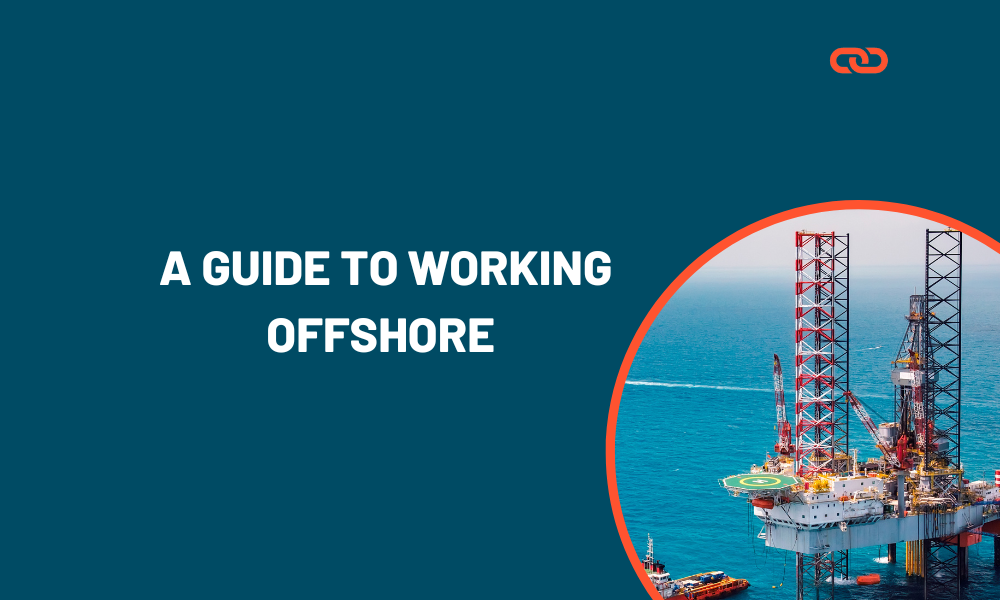
Did you know that over 200,000 UK nationals work offshore globally each year, with sectors like oil, gas, and renewables offering salaries up to 50% higher than onshore roles – yet many face unexpected tax pitfalls without proper planning?
Key Areas We Will Cover
- What working offshore truly means for UK residents
- Key benefits, challenges, and popular destinations
- Tax implications, including residence rules and double taxation
- Visa, compliance, and health and safety requirements
- How Futurelink Group supports offshore workers with payroll and tax
- Step-by-step preparation checklist
- Frequently asked questions for seamless transitions
Introduction
Working offshore involves employment on oil rigs, wind farms, cruise ships, or other international platforms outside UK territorial waters, often in rota systems like 2 weeks on, 2 weeks off. This guide to working offshore is vital for UK contractors seeking high-earning opportunities abroad while maintaining tax compliance and personal wellbeing. Going beyond basic overviews, we explore real-world strategies, HMRC guidelines, and expert support from Futurelink Group to help you maximise earnings and minimise risks.
What Does Working Offshore Mean?
Offshore work typically refers to roles in extractive industries, renewable energy, maritime, or remote installations beyond the UK’s 12-nautical-mile limit. Common positions include riggers, engineers, divers, medics, and catering staff.
Rotational schedules dominate:
- 14/14 (14 days on, 14 off)
- 21/21 for deeper waters
- 28/28 in extreme locations
Platforms operate 24/7, demanding physical fitness, specialised certifications (e.g., BOSIET for survival training), and adaptability to isolated environments.
“Offshore work is not just a job; it is a lifestyle that rewards resilience with premium pay and unique experiences,” notes an industry veteran from the North Sea.
Benefits and Challenges of Offshore Employment
Benefits
- Lucrative Salaries: Entry-level roles start at £40,000–£60,000 annually; specialists earn £100,000+
- Tax Advantages: Potential for Seafarers’ Earnings Deduction (SED) if qualifying as a seafarer
- Perks: Free accommodation, meals, travel, and extended leave periods
- Career Growth: Rapid progression with globally recognised qualifications
Challenges
- Isolation: Limited family contact and harsh conditions
- Health Risks: High injury rates; mandatory medicals required
- Irregular Hours: 12-hour shifts in all weathers
- Job Volatility: Tied to commodity prices and green transitions
Balancing these factors is key to long-term success.
Popular Offshore Destinations for UK Workers
|
Destination |
Primary Sectors |
Average Rota |
Key Attractions |
|
North Sea (UK/Norway) |
Oil, Gas, Wind |
14/14 |
Proximity to home, SED eligibility |
|
Middle East (Qatar, UAE) |
Oil, LNG |
28/28 |
Tax-free local earnings |
|
West Africa (Nigeria, Angola) |
Deepwater Oil |
28/28 |
High hazard pay |
|
Asia-Pacific (Australia, Singapore) |
Renewables, FPSO |
21/21 |
Modern facilities |
|
Arctic Regions |
Exploration |
Variable |
Premium rates for extremes |
Choose based on experience, family needs, and tax residency goals.
Tax Implications for UK Offshore Workers
HMRC treats offshore income differently based on residency and duties.
UK Tax Residency
- Statutory Residence Test (SRT): If you spend fewer than 46 days in the UK annually, you may become non-resident
- Non-residents pay UK tax only on UK-sourced income
Seafarers’ Earnings Deduction (SED)
- 100% tax relief on earnings if:
- Employed on a ship
- Duties performed wholly outside UK waters
- At least 365 days in qualifying periods (with no more than 183 consecutive days in one location)
- Claim via Self Assessment; requires detailed logs
Double Taxation Agreements
Over 130 treaties prevent dual taxing; claim relief in the host country or via HMRC form DT-Individual.
Keep meticulous records: payslips, travel itineraries, and platform logs.
Visa, Compliance, and Safety Requirements
- Visas: Work permits vary; e.g., Norway’s Svalbard visa-free for EU/EEA, but others need sponsorship
- Certifications: OPITO-approved training (BOSIET, HUET), medicals (UKOOA/OGUK), and STCW for seafarers
- Insurance: Employer-provided; supplement with personal policies for repatriation
- Compliance: Adhere to ILO Maritime Labour Convention; report via MCA for UK-flagged vessels
Pre-departure medicals and survival courses are non-negotiable.
How Futurelink Group Helps Offshore Workers
Futurelink Group excels in offshore payroll, umbrella solutions, and international tax advisory for contractors worldwide. With 20+ years supporting North Sea and global clients, we ensure compliant, optimised earnings.
Our Specialist Services:
- Offshore Payroll Management: Handle rota-based payments, currency conversions, and SED claims to maximise take-home pay
- Tax Residency Advice: Expert guidance on SRT, non-dom status, and double taxation relief
- UTR and CIS Support: Seamless registration for any UK-linked income
- Dedicated Account Managers: 24/7 support for emergency pays or tax queries
“Futurelink transformed my offshore tax headaches into hassle-free filings – SED saved me thousands,” testifies a rig electrician client.
From first-timers to veterans, we tailor solutions for stress-free offshore careers.
Preparation Checklist for Starting Offshore
- Secure relevant certifications and medical clearance
- Research tax status and open an international bank account
- Arrange family communication plans and emergency contacts
- Partner with a specialist like Futurelink Group for payroll setup
- Pack essentials: PPE, personal items, and documentation duplicates
Start 3–6 months in advance for smooth onboarding.
Conclusion
Working offshore offers unparalleled financial and adventurous rewards but demands thorough preparation in tax, safety, and logistics. By understanding residency rules, claiming deductions like SED, and leveraging expert support, UK workers can thrive globally. Futurelink Group stands ready to guide you every step, ensuring compliance and peace of mind.
Secure Your Offshore Future with Futurelink Group Today
Ready to embark on high-paying offshore roles without tax worries? Contact Futurelink Group for a free consultation. Visit futurelinkgroup.co.uk, call +44 (0) 1923 277900, or email sales@futurelinkgroup.co.uk. Join our offshore community and optimise your earnings – get started now.
Frequently Asked Questions
Offshore work raises unique queries on tax, lifestyle, and compliance. Here, we address top concerns using HMRC rules, industry data, and Futurelink Group’s extensive client insights for practical, up-to-date answers.
No, but non-residents pay only on UK income. SED provides 100% relief for qualifying seafarers on foreign earnings.
Up to 90 mid-tier or 45 automatic overseas tests under SRT to maintain non-residency; track carefully.
Yes, if claiming SED or any UK tax relief via Self Assessment. Futurelink Group registers yours automatically.
£50,000–£120,000 depending on role, experience, and location; includes uplifts and bonuses.
Rarely on platforms; most opt for fly-in/fly-out with home leave. Some cruise roles allow companions.
We process same-day pays on return, manage forex, and deduct minimal fees for full compliance.

Craig Moss
Craig Moss is a seasoned professional in the employment and recruitment industries, based in Kings Langley, UK. With over 30 years of experience, including a successful tenure as a central London realtor handling properties up to £3 million, he now leads an exciting management role at Futurelink Group. Specialising in compliant payroll solutions for contract recruitment, Craig helps clients increase margins by up to 30% while navigating complex legislation. His people-focused approach, honed through decades in sales and people management, ensures both recruiters and workers benefit from tax-efficient, compliant solutions. Passionate about building strong relationships, Craig thrives on delivering results that drive business success.